· 6 min read
Greta Garbo died in 1990. An AI version of her is now selling ball bearings.
A new SKF advertisement recreates the famously private Hollywood star with generative AI. The technology is impressive. The stranger question is what happens to a person’s image when death is no longer the end of their commercial presence.

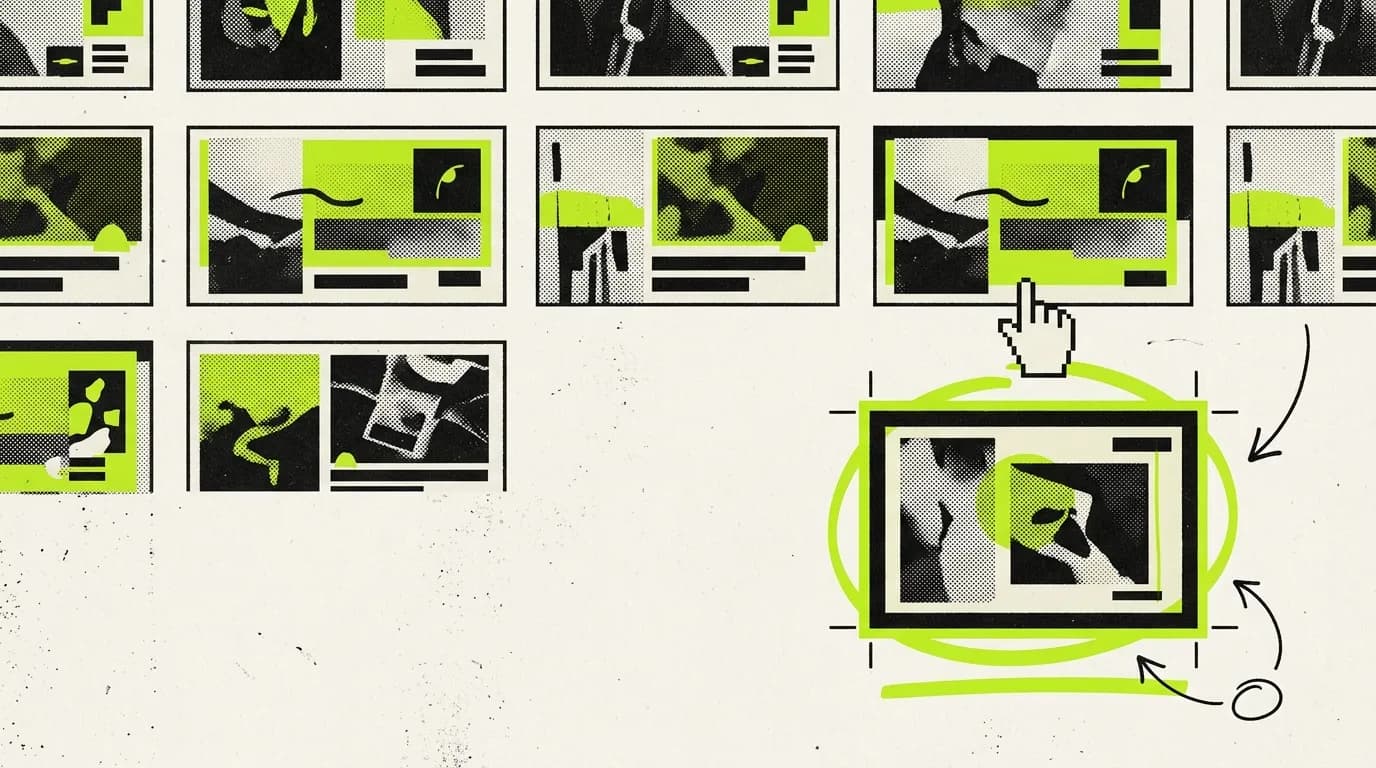
Fig. — The digital afterlife.
Greta Garbo spent much of her life trying not to be seen.
The Swedish-American actor became one of Hollywood’s defining stars, retired from film in 1941 and later became famous for avoiding publicity. She died in 1990.
In 2026, she is appearing in a new advertisement.
The campaign is for SKF, the Swedish ball-bearing manufacturer. The company used generative AI to create a new Garbo likeness for the ad, developed with the cooperation of her estate and family.
What makes the production unusual is how little of the visual Garbo came from Garbo herself.
SKF says the generated double was not built from archival photographs or film footage. Copyright concerns led the production team to construct the visual likeness through text prompts using image and video generation systems. Her voice was the exception: an early-film recording was used with permission, and a human actor helped shape pacing and cadence.
The result belongs to a category that is becoming easier to produce and harder to define.
An expandable archive
Researchers sometimes call it synthetic resurrection: using digital tools to create new appearances or performances by people who are dead.
This is not entirely new.
Film studios have digitally recreated deceased actors. Music performances have used hologram-like representations. Advertising has long relied on estates to license famous faces.
Generative AI changes the cost and flexibility.
A production no longer necessarily needs an expensive visual-effects pipeline built frame by frame. A team can create a convincing new scene from prompts, reference material and voice technology.
That lowers the barrier from exceptional stunt to repeatable format.
And that is where the cultural question begins.
When an estate approves the use, the legal and ethical picture may be clearer than in an unauthorized deepfake. In Garbo’s case, SKF says the project was developed in collaboration with her estate and family.
But permission does not answer every question.
A photograph records something a person actually did.
A new AI performance shows something they never did.
The distinction matters because fame increasingly survives as a commercial asset.
An actor’s face, voice, gestures and cultural associations can be licensed long after the person is gone. Generative systems can then create an effectively unlimited supply of “new” appearances.
That creates a strange future for celebrity.
The archive used to be finite. There were only so many films, interviews, photographs and recordings.
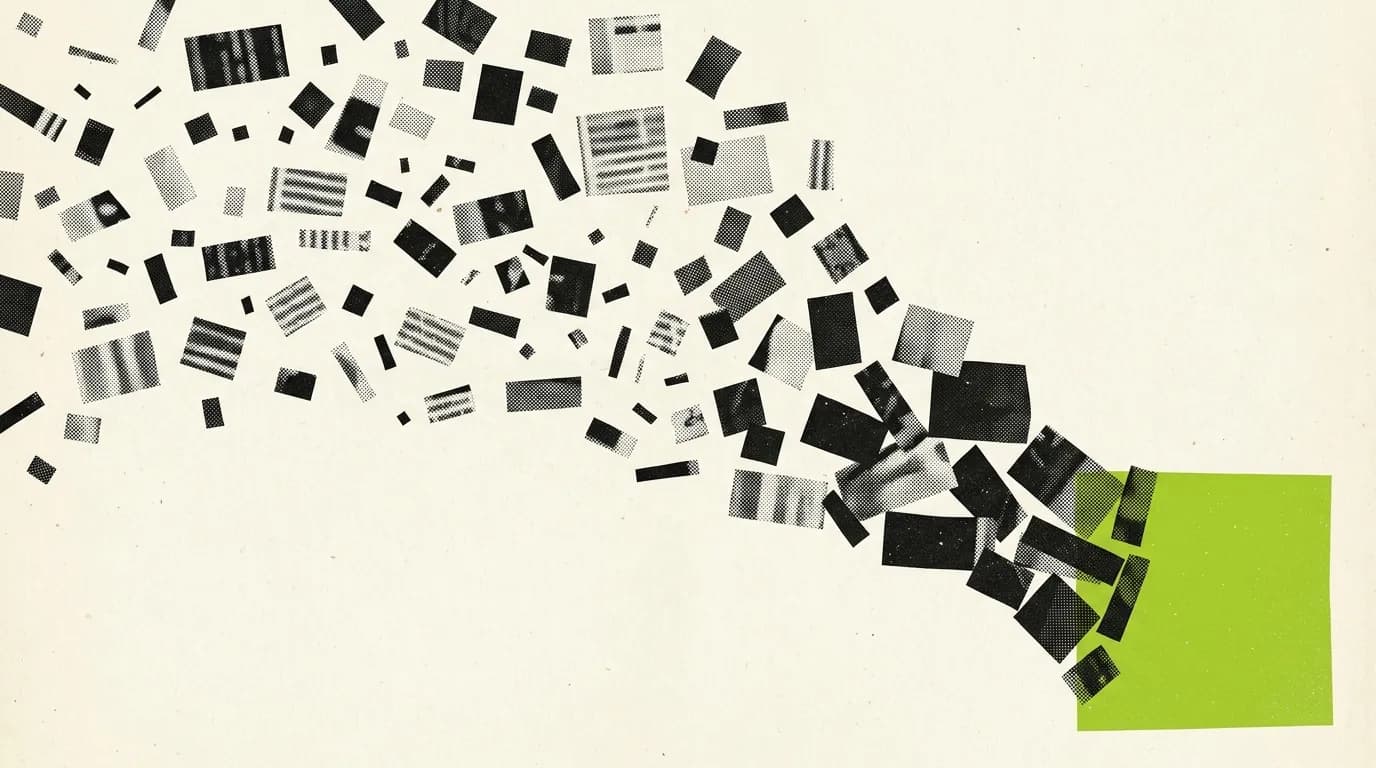
Synthetic media makes the archive expandable.
A performer can appear in a campaign for a product launched decades after their death. A musician can seem to speak new words. A public figure can be placed into a setting that never existed.
The better the technology becomes, the less the technical achievement will matter.
The important question will be who gets to authorize the new performance, how clearly audiences are told what they are seeing and whether cultural memory becomes another renewable commercial resource.
Garbo’s return is unusual today.
It may look far less unusual a few years from now.