· 6 min read
AI can make creators faster. It still cannot give them taste.
A 2026 Adobe survey found creative AI has become part of everyday creator workflows. But the more production gets automated, the more valuable the human parts become: judgment, restraint, voice and knowing what is worth making.
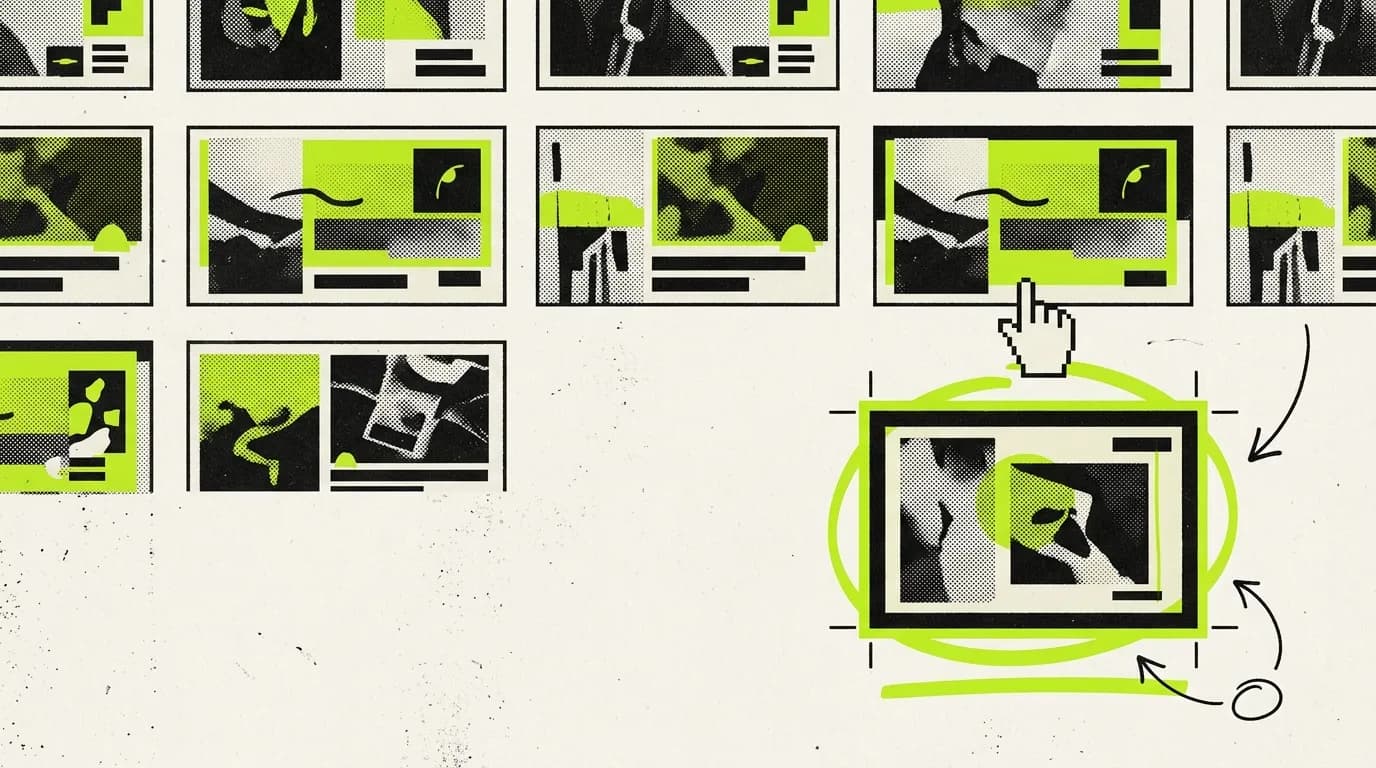
Fig. — The value of choice.
Creative AI has moved past the novelty stage.
According to Adobe’s 2026 Creators’ Toolkit Report, 75% of creators who use or have tried creative AI describe it as integrated or essential to their workflow. Eighty-seven percent say it has helped grow their business or audience.
Those numbers make the direction obvious.
Creators are not waiting for a philosophical settlement on AI. They are using it.
But the more interesting finding sits beside the productivity story.
More than half of creators who say it is harder to stand out now blame the sheer volume of content. Forty-two percent say AI-generated content itself is making unique voices harder to notice.
That is the paradox.
AI makes it easier to create.
AI also makes it easier for everyone else to create.
If every creator gains access to the same caption generator, image model, editing assistant and idea machine, the competitive advantage cannot simply be access to the tool.
It moves somewhere else.
The bottleneck is taste
Adobe’s survey offers a clue. Eighty-one percent of creators say human judgment remains essential to creative taste. Fifty-seven percent say AI output still needs moderate or extensive editing before it is ready to share. And 85% say the final creative decision should remain with the creator.
That sounds less like replacement and more like a redistribution of work.
AI can accelerate the blank page.
It can generate options.
It can remove repetitive edits.
It can help one person perform tasks that previously required a small team.
But those capabilities create a new bottleneck: choosing.
Which idea deserves another hour?
Which generated image feels generic even if it is technically perfect?
Which sentence sounds like everybody else?
When should you stop optimizing and publish something slightly strange?
What part should remain imperfect because the imperfection makes it recognizable?
These are not questions of output. They are questions of taste.
The creator economy has always rewarded a strange combination of repetition and difference. A successful creator needs to publish consistently enough to stay present, but distinctly enough to remain memorable.
AI helps with the first half.
It may make the second half harder.
That does not mean creators should avoid the technology. Adobe’s data suggests many creators feel more capable because of it, especially when competing with larger teams.
The mistake would be to assume faster production is the same thing as better creative work.
When making becomes easier, editing becomes more important.
When ideas become abundant, selection becomes more valuable.
When everybody can produce polished content, polish becomes less distinctive.
The creator who wins in that environment may not be the person using the least AI or the most AI.
It may simply be the person who still knows what they want to say.