· 9 min read
Carbon dioxide gets the attention. Faster climate wins may come from the pollutants beside it.
Methane, black carbon, ground-level ozone, nitrous oxide and high-warming refrigerants can have an outsized effect on near-term warming. Cutting them does not replace CO₂ reductions, but it can slow warming faster.
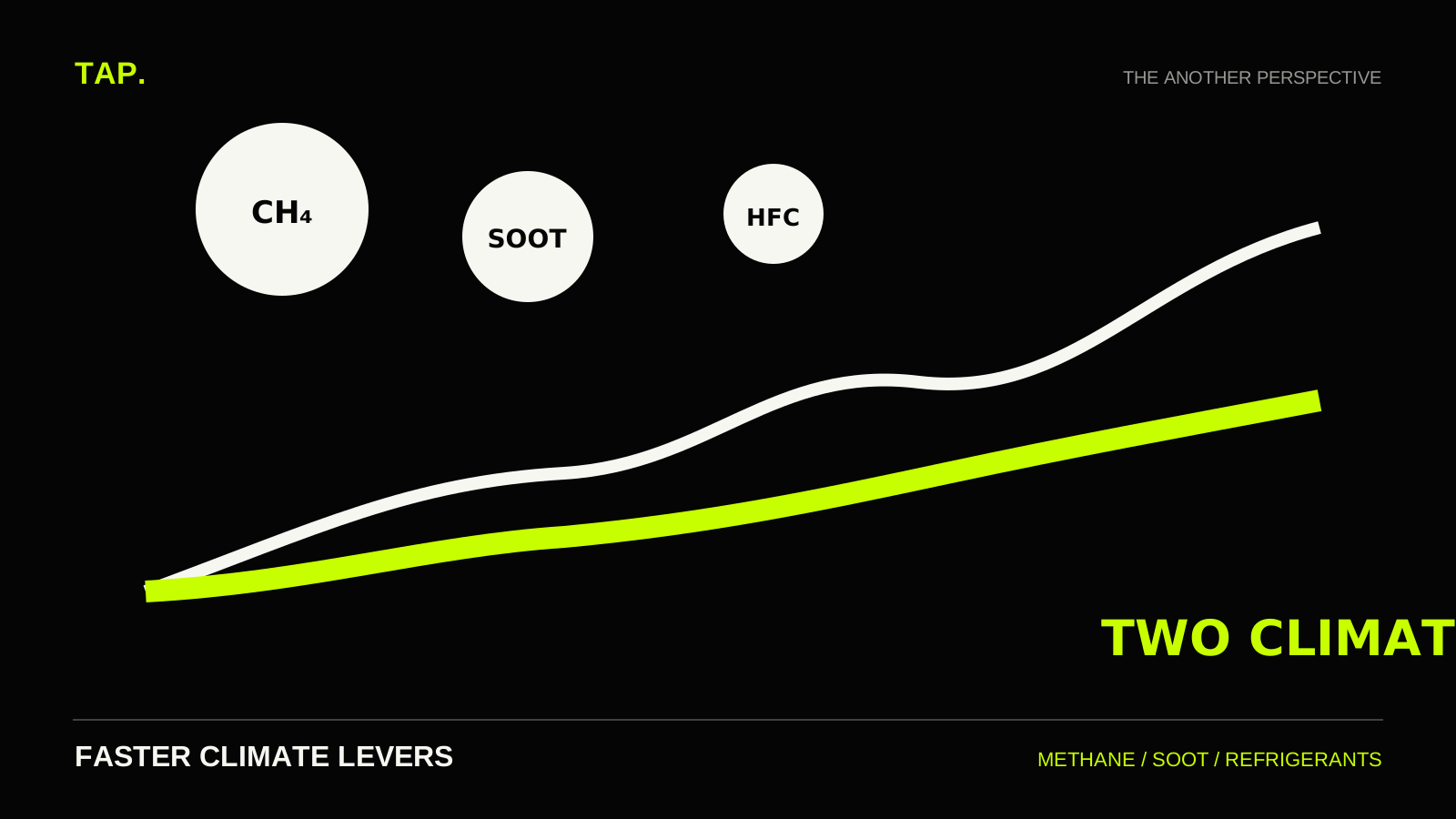
Fig. — Climate action runs on more than one timeline.
Climate change is usually summarized as a carbon-dioxide problem. That is accurate, but incomplete.
CO₂ is the dominant long-term driver because it accumulates and remains in the climate system for a very long time.
Other pollutants can be much more powerful molecule for molecule over shorter periods. These are often grouped under the informal label superpollutants.
What counts as a superpollutant?
The group commonly includes methane, black carbon, ground-level ozone, nitrous oxide and some refrigerant gases with very high warming potential.
They are chemically different and come from different sources, but they share one policy characteristic: reducing them can deliver relatively fast climate or health benefits.
Methane is the clearest example
Methane lasts in the atmosphere for far less time than carbon dioxide but traps much more heat while it is there.
The International Energy Agency says atmospheric methane concentrations are around 2.7 times pre-industrial levels and methane is responsible for nearly 30% of the rise in global average temperatures since the Industrial Revolution.
The IEA estimates fossil-fuel operations alone emitted around 124 million tonnes of methane in 2025.
Why some methane cuts are unusually practical
A portion of energy-sector methane emissions comes from leaks, venting and flaring.
That makes some reductions different from the hardest parts of decarbonization. Operators can detect leaks, repair equipment, capture gas that would otherwise escape and reduce routine flaring with technologies that already exist.
In some cases, the recovered gas has economic value, which can offset the cost of the fix.
Black carbon is a climate and health problem
Black carbon is soot produced by incomplete combustion from sources such as diesel engines, cookstoves, wildfires and burning biomass.
It absorbs sunlight and contributes to warming, but it is also particulate pollution that harms lungs and hearts.
Reducing it can therefore produce climate and public-health benefits at the same time.
Refrigerants matter more as cooling demand rises
Air conditioning demand is increasing as temperatures rise and incomes grow.
Some refrigerant gases are extremely powerful greenhouse gases if they leak. Better equipment, lower-warming refrigerants and responsible recovery at end of life can cut that impact.
Why this does not mean ‘forget CO₂’
Short-lived pollutants and carbon dioxide operate on different clocks.
Reducing methane can slow near-term warming, but if carbon dioxide emissions remain high, CO₂ continues to accumulate and dominate the long-run temperature outcome.
The useful strategy is therefore not substitution. It is parallel action.
Why the issue is moving up the agenda
Reuters reported that companies and policymakers launched a Superpollutant Roadmap during Climate Week New York, while a group of companies had pledged $100 million toward efforts to reduce these pollutants through 2030.
The business case is partly practical. Near-term warming already affects crops, workplaces, power systems and supply chains.
The policy case is about time.
Transforming transport, electricity and industry takes years. Fixing a major methane leak can happen much faster.
Climate policy needs both timelines.