· 8 min read
Fashion still says autumn. The weather increasingly does not.
Paris Fashion Week reached 28°C as retailers were trying to sell coats and knitwear. Longer, hotter summers are creating a basic mismatch between the traditional fashion calendar and the weather customers actually experience.
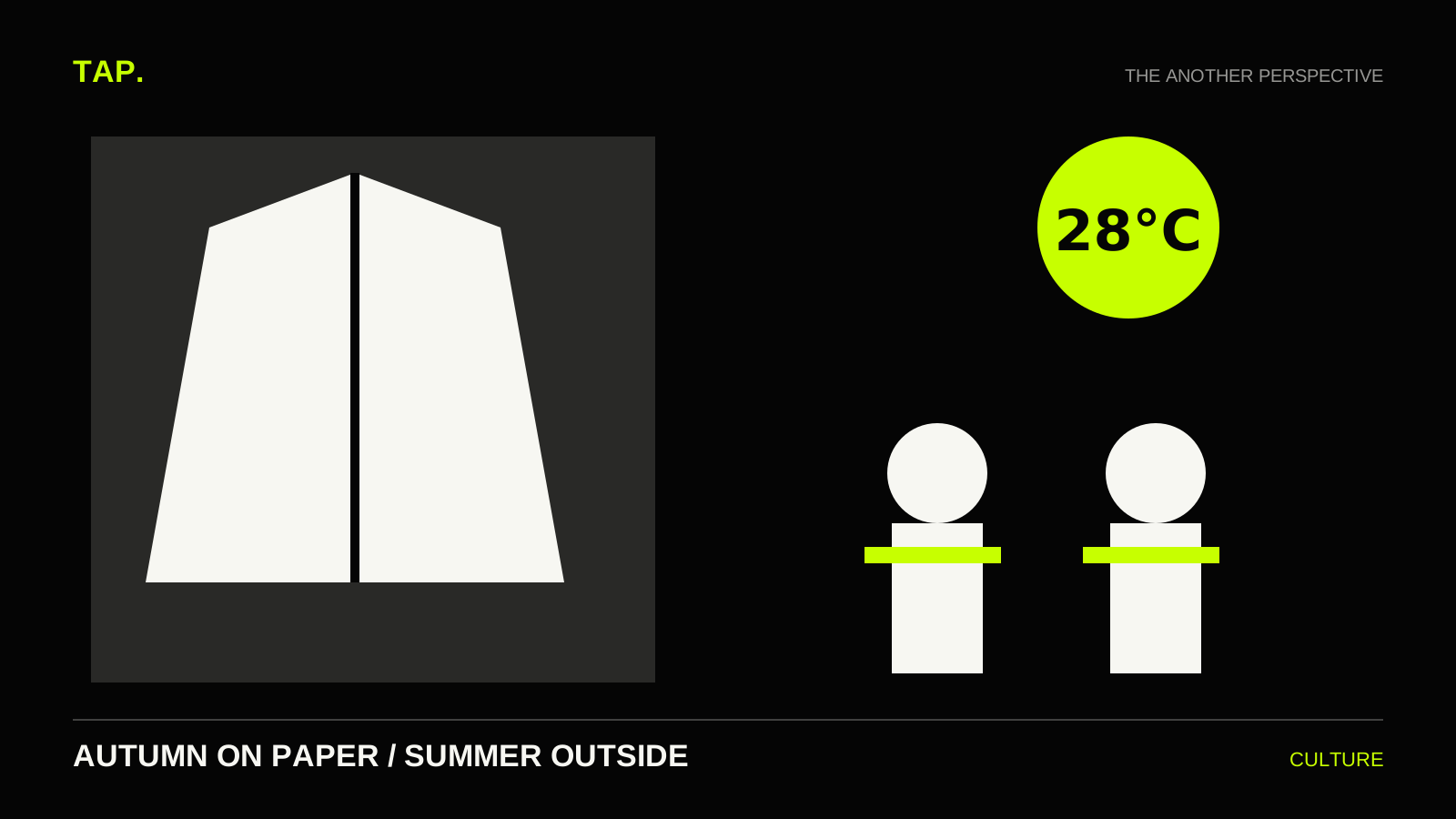
Fig. — The calendar says coat. The street says T-shirt.
Fashion runs on seasons even when weather does not.
Autumn collections arrive in stores on a timetable. Coats, knitwear and jackets are photographed, advertised and stocked months in advance. The business assumes that cooling temperatures will create demand at roughly the same point every year.
Paris Fashion Week offered a visible contradiction: autumn advertising, 28°C weather and people walking past winter products in summer clothes.
Why timing matters to fashion economics
Retailers do not only need a product to be desirable. They need demand to arrive before the product becomes old inventory.
A coat sold at full price can carry a healthy margin. The same coat sold after weeks of warm weather may have to compete with Black Friday promotions or end-of-season markdowns.
Warmer autumns create inventory risk
If temperatures stay high longer, customers delay cold-weather purchases.
Stores can then end up holding expensive seasonal inventory while the selling window gets shorter.
That can reduce full-price sales and increase discounting, which matters especially in luxury where protecting price and brand perception is central to the model.
Designers are adapting too
Louis Vuitton womenswear designer Nicolas Ghesquière said recent European heat waves influenced his latest collection. Reuters described lighter fabrics, fluid construction and clothing designed to work in warmer conditions.
That is a design response to the same problem retailers are seeing in the sales data.
The fashion calendar was built for predictability
Seasonal collections developed around recurring patterns of weather, production, wholesale ordering and media coverage.
Climate change introduces more variance. A very warm October, a sudden cold snap or a shorter winter can make a rigid seasonal buying plan less reliable.
The likely answer is not 'no more winter clothes'
Cold weather still exists, and different regions experience different climates.
The more likely shift is toward transitional pieces, layering, lighter fabrics and more flexible inventory planning.
Brands may also need to rethink when products reach stores rather than only what appears on the runway.
The TAP perspective is simple: climate change is often discussed as an environmental issue, but businesses experience it as timing, inventory, pricing and demand.