· 8 min read
Unemployment can be low while the job market still feels terrible.
The U.S. is approaching the 2026 midterms with unemployment around levels economists call full employment, yet hiring is slower, job switching is weaker and many workers feel insecure. The unemployment rate only measures one part of labor-market health.
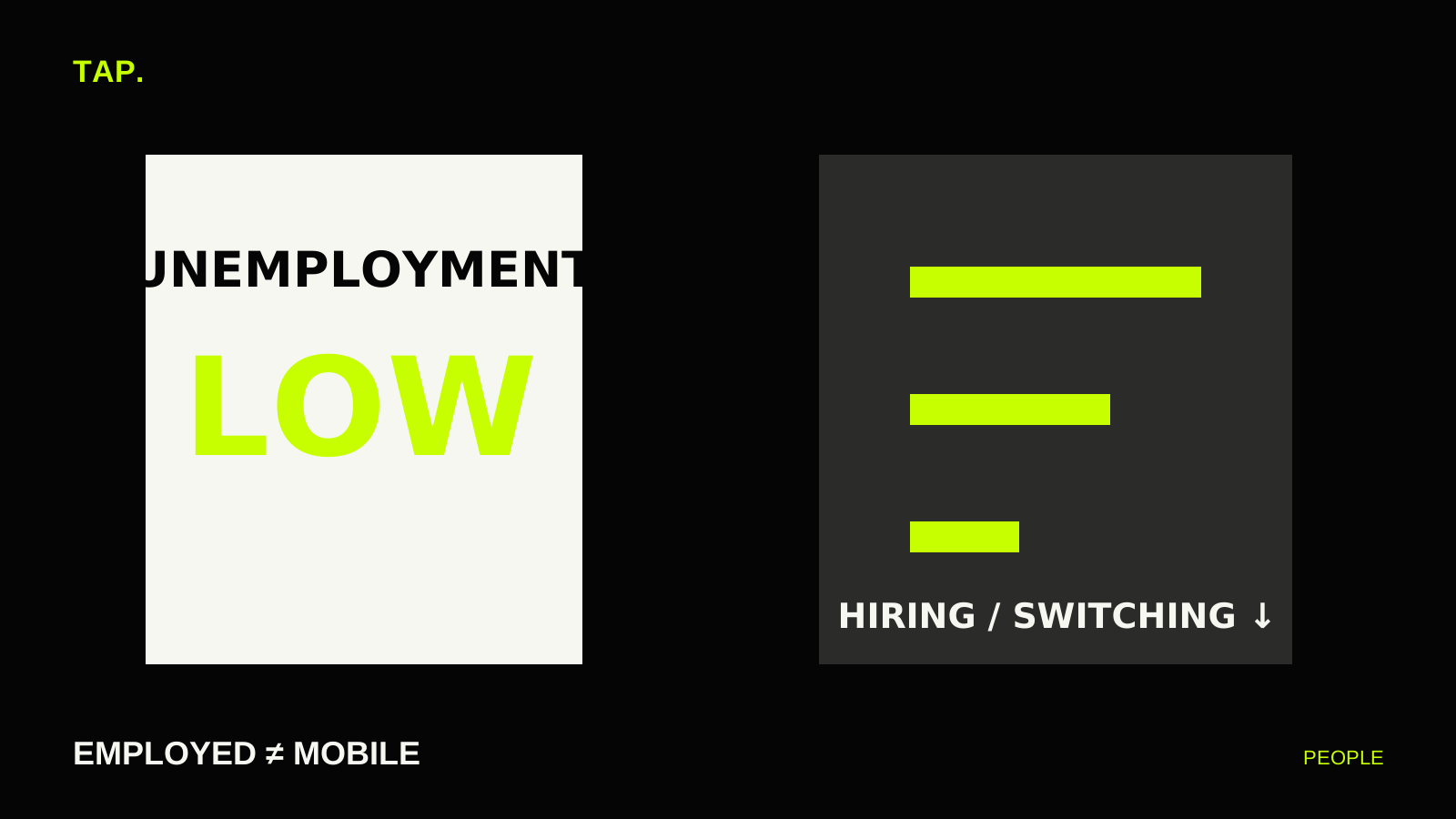
Fig. — Employed does not mean mobile.
An unemployment rate near 4% sounds like a strong labor market.
For many workers, however, the lived experience depends on a different question: what happens if I want or need another job?
Reuters described the U.S. economy heading into the 2026 midterms as a less dynamic form of full employment. Layoffs remain relatively contained, but hiring and job switching have slowed.
What the unemployment rate measures
The unemployment rate counts people who do not have a job, are available for work and are actively looking.
It is useful, but it does not directly measure job quality, how many vacancies exist, how long a search takes or whether workers feel confident enough to quit.
A frozen labor market can look healthy from above
Imagine a company that rarely fires anyone but also rarely hires.
Existing employees keep their jobs, so unemployment stays low. But graduates, career changers and workers who lose a job face fewer openings.
That is a less dynamic labor market even though the headline unemployment number looks good.
Job switching matters for wages
Periods of rapid hiring give workers leverage.
Companies compete for staff, workers can move to better-paying roles and employers raise wages to keep people from leaving.
When switching slows, that bargaining channel weakens.
Inflation changes how wage gains feel
A worker can receive a nominal pay rise and still feel poorer if food, housing, fuel and other costs rose faster over the same period.
That helps explain why a labor market can satisfy an economist’s definition of full employment while households remain dissatisfied with their economic position.
Why confidence matters
Consumer surveys often capture something unemployment data misses: fear.
If people believe replacing a lost job would be difficult, they may delay a home purchase, stay in a role they dislike or reduce discretionary spending even while technically employed.
There is no single job-market number
A fuller picture uses unemployment alongside payroll growth, vacancies, quit rates, hiring rates, wage growth, labor-force participation and the duration of unemployment.
That collection can reveal a market that is stable but not fluid.
The distinction matters because economic security is not only about having a job today. It is also about how many realistic options you believe you have tomorrow.