TAP guide / Technology and energy
The infrastructure behind AI.
AI often feels like software in the cloud. Behind it are physical buildings, power supplies, cooling systems, networking equipment and chips. Understanding those constraints explains many of the biggest AI business and policy stories.
Why do AI data centers use so much electricity?
AI data centers use electricity to run the processors that train and serve models, move data between machines and cool the hardware. Demand depends on how many systems operate, the efficiency of the chips, how heavily the systems are used and the cooling technology. Bigger models do not translate into a single predictable energy figure.
For the full mechanism, read why AI data centers use so much electricity.
What does an AI data center actually need?
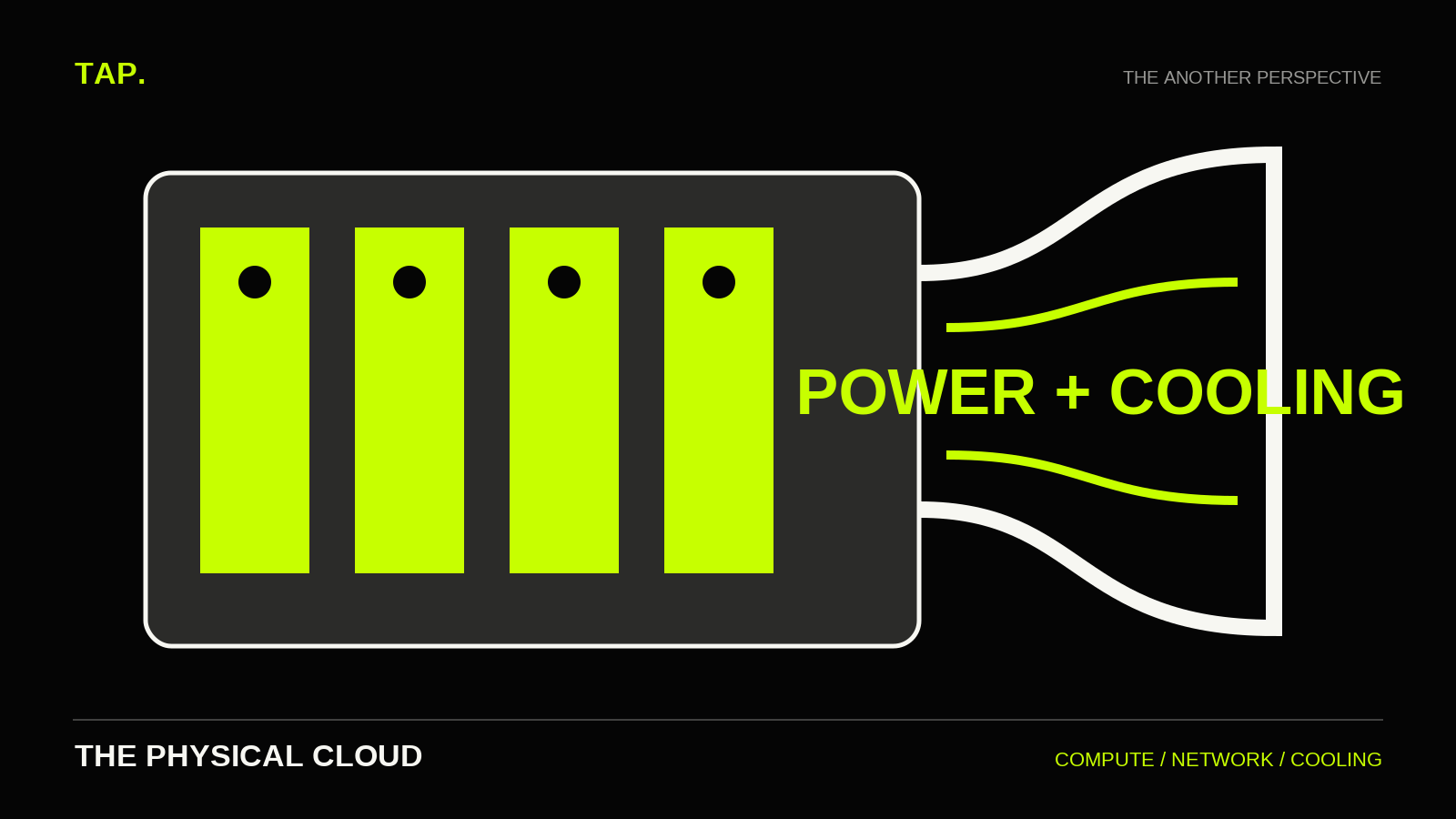
| Part | What it does | Why it constrains growth |
|---|---|---|
| Processors and memory | Perform model calculations | Hardware supply, cost and efficiency |
| Electricity and grid connections | Provide sustained power | Available capacity and connection time |
| Cooling systems | Remove heat from equipment | Energy, climate and sometimes water needs |
| Networking | Connect machines and users | Bandwidth and latency |
Can new energy projects solve the power problem?
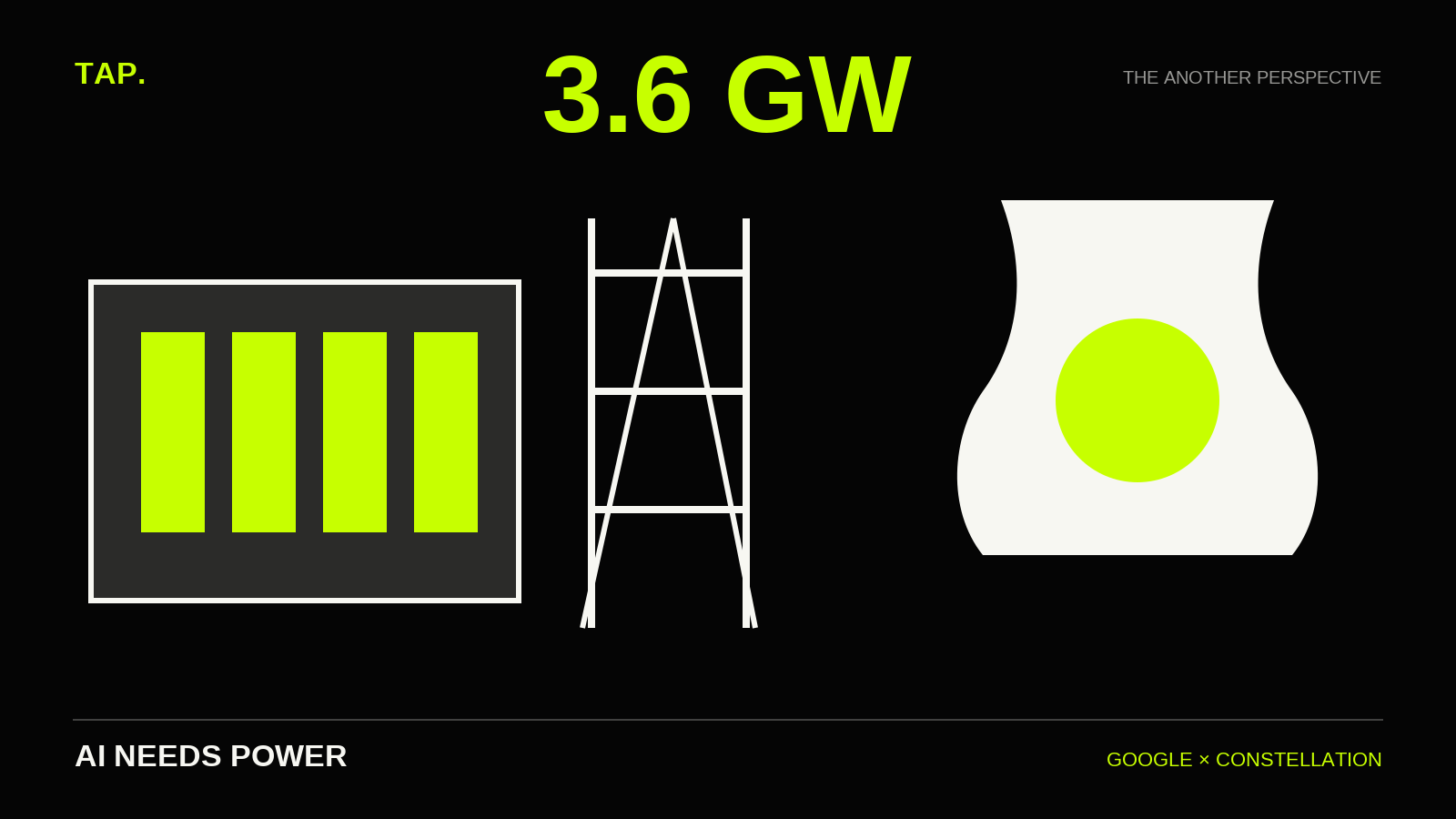
Additional generation can help, but a power agreement is not the same as an operating power plant or an approved grid connection. Building infrastructure, moving electricity and matching supply with data-center demand can take different amounts of time. Nuclear, renewables, gas and grid purchases also have different trade-offs.
TAP examines those claims in its reporting on Google and nuclear power for AI data centers.
Why do custom AI chips matter?
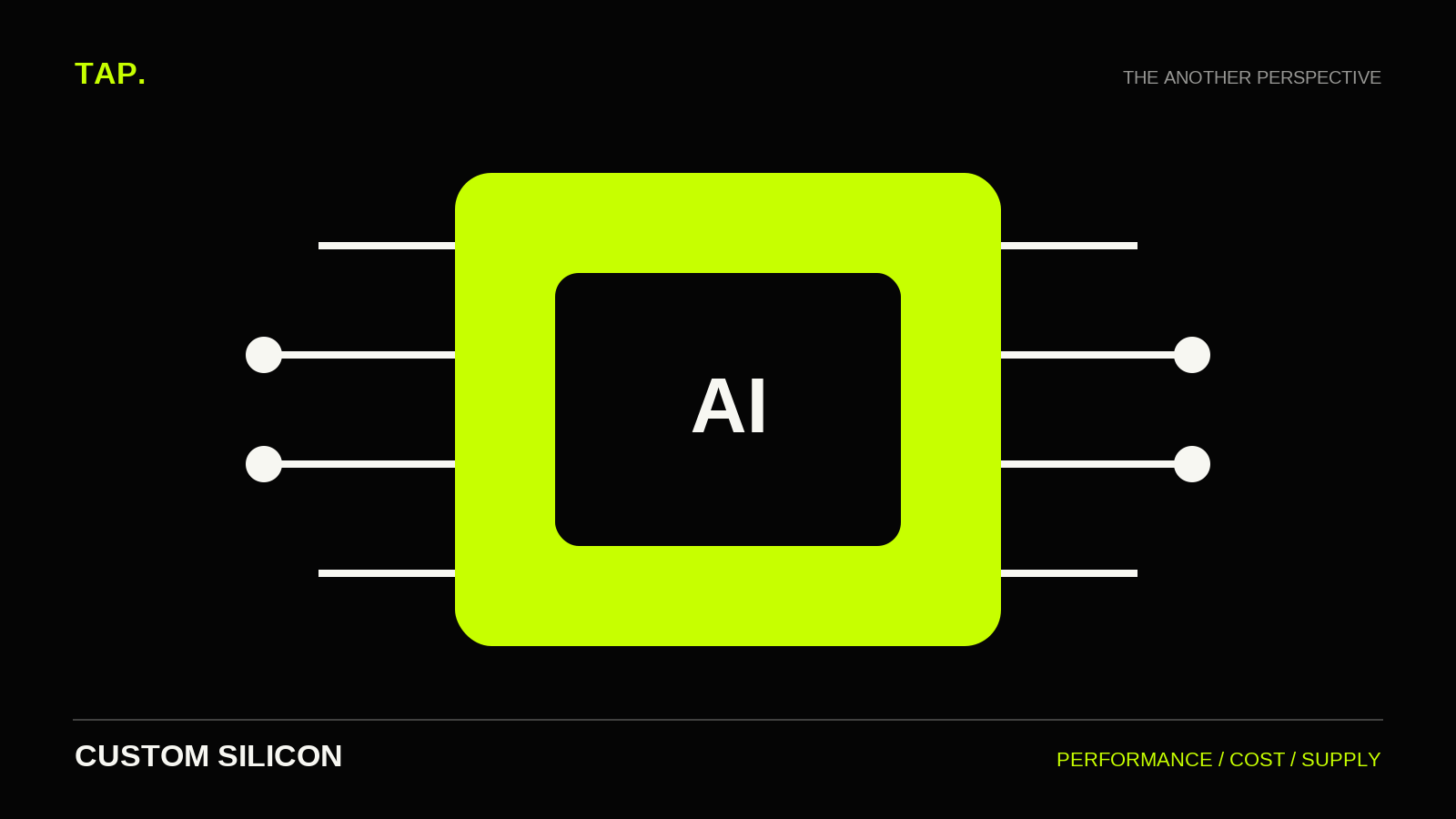
Chips influence speed, energy efficiency and operating costs. Companies may design specialized processors to optimize their particular workloads or reduce dependence on external suppliers. But a new chip is only one part of a usable system: memory, software, production capacity and networking also matter.
Explore the business of custom AI chips.
Who pays the costs outside the data center?
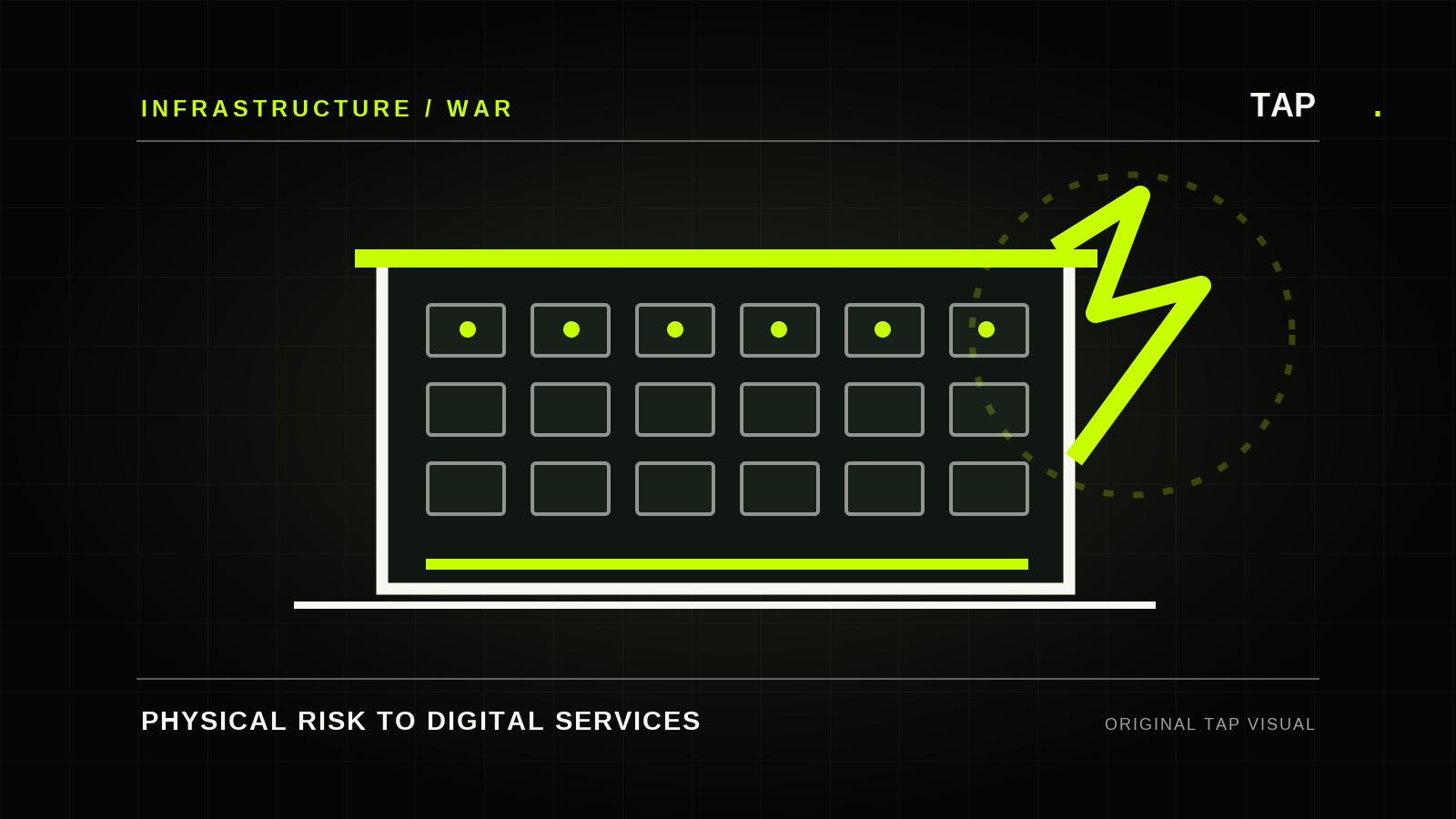
Data centers can bring investment and local employment, while communities may face questions about electricity availability, land use, cooling water, emissions and public subsidies. The effects differ by project and place. The right question is not simply whether a facility is good or bad, but what its measurable benefits and burdens are.
Read TAP's reporting on local concerns around India's AI data centers.
A quick checklist for AI infrastructure claims
- Is the announcement a proposal, signed agreement, financed project or operating facility?
- Are power and water estimates measured, projected or simply targets?
- Does the claim account for grid connections, cooling and equipment supply?
- What evidence comes from an independent source rather than a company announcement?
Reporting and explainers.

Further reading
Use original project disclosures and official energy data to evaluate specific claims; figures vary by geography and year.