· 8 min read
AI Overviews and AI Mode look similar. They are not the same thing.
Google now blends AI answers into Search in more than one way. AI Overviews are selective summaries inside classic results. AI Mode is a deeper, conversational search experience built for follow-ups, comparisons and multi-step questions.
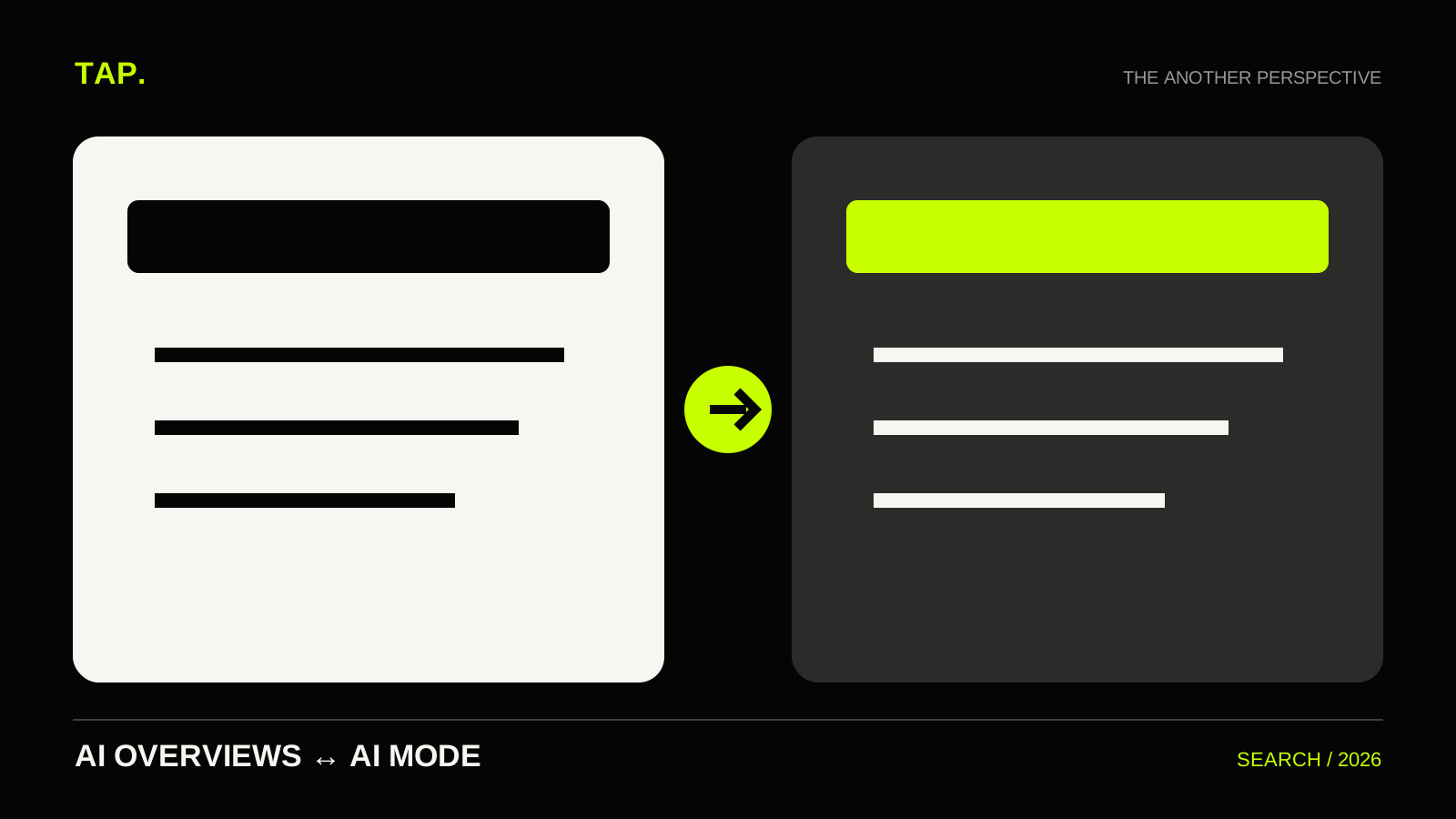
Fig. — One adds an answer to Search. The other changes the shape of Search.
If Google Search shows you a generated answer above the usual results, you may be looking at an AI Overview. If you enter a dedicated conversational experience, ask a complicated question and continue with follow-ups, you are closer to AI Mode.
They share technology and increasingly flow into each other, but they solve different parts of the search journey.
AI Overviews are an addition to classic Search
Google describes AI Overviews as a feature that appears when its systems decide an AI-generated summary can add something useful beyond a normal results page. You still have a familiar search experience around it: links, web results and other search features remain part of the page.
That means an AI Overview is selective. It does not have to appear on every query.
The goal is speed. For a question that would normally require opening several pages, the overview tries to give you the gist first and then provide supporting links for deeper exploration.
AI Mode is built for exploration
AI Mode goes further. Google says it is designed for questions that need more reasoning, comparison or exploration. Instead of treating each query as a separate search, it can preserve context and let you ask follow-up questions.
That makes AI Mode closer to a research interface than a single results page. A user can start broad, narrow the question, compare options and keep the same thread alive.
Google has also been moving features between the two experiences. By 2026 it had made the transition from an AI Overview into a follow-up conversation much more seamless.
Both can use query fan-out
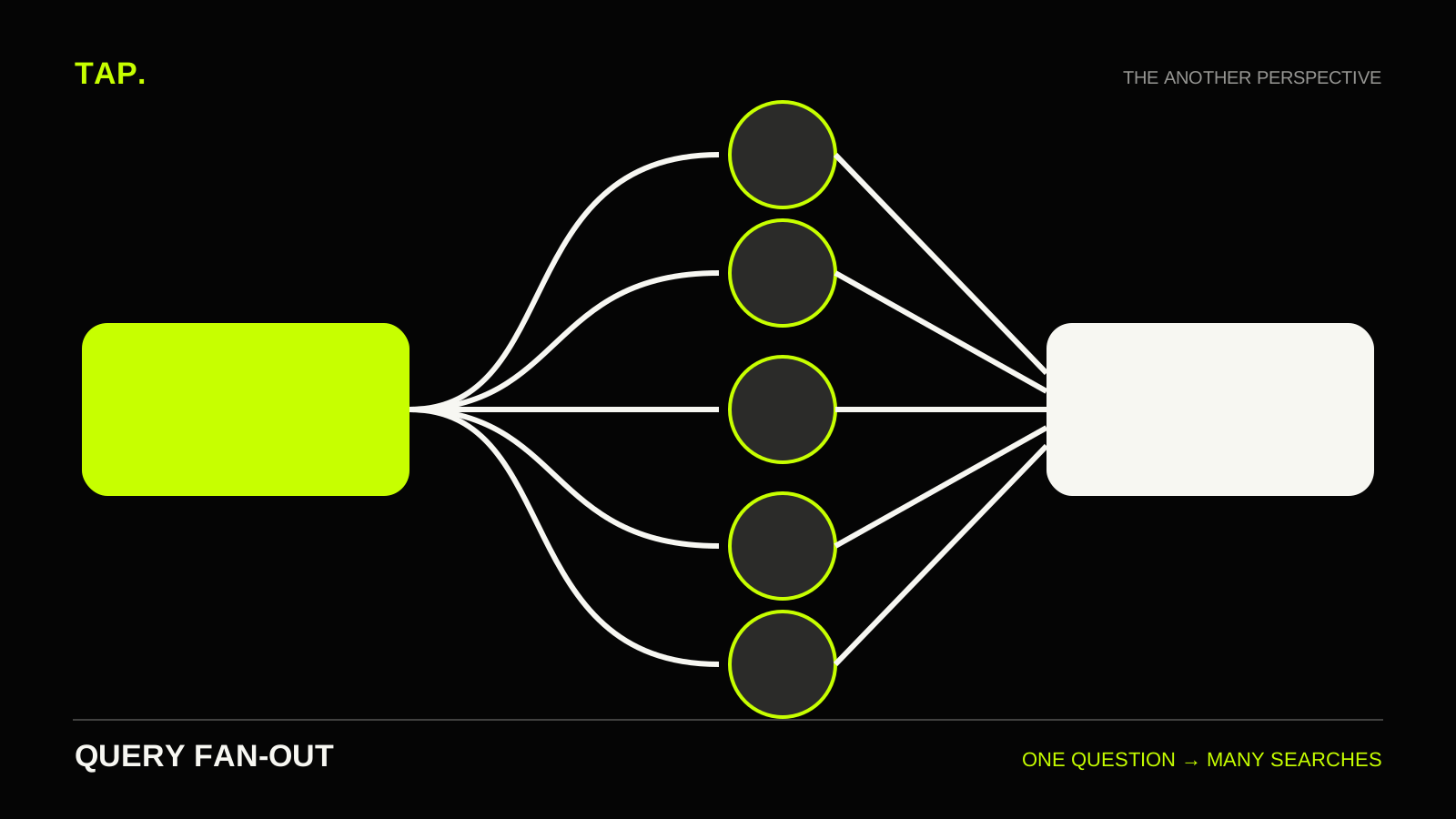
The important technical idea behind both experiences is that one user question can trigger several related searches behind the scenes.
Google calls this query fan-out. The system breaks a complex request into subtopics, retrieves information for those pieces and combines the results into a response.
That is why an AI answer can sometimes surface pages that would not have ranked for the exact wording of the original query. A page can be useful to one sub-question even if it is not the best answer to the whole query.
Why publishers care about the difference
In classic Search, visibility is easy to imagine: a page ranks, a user clicks and the publisher receives a visit.
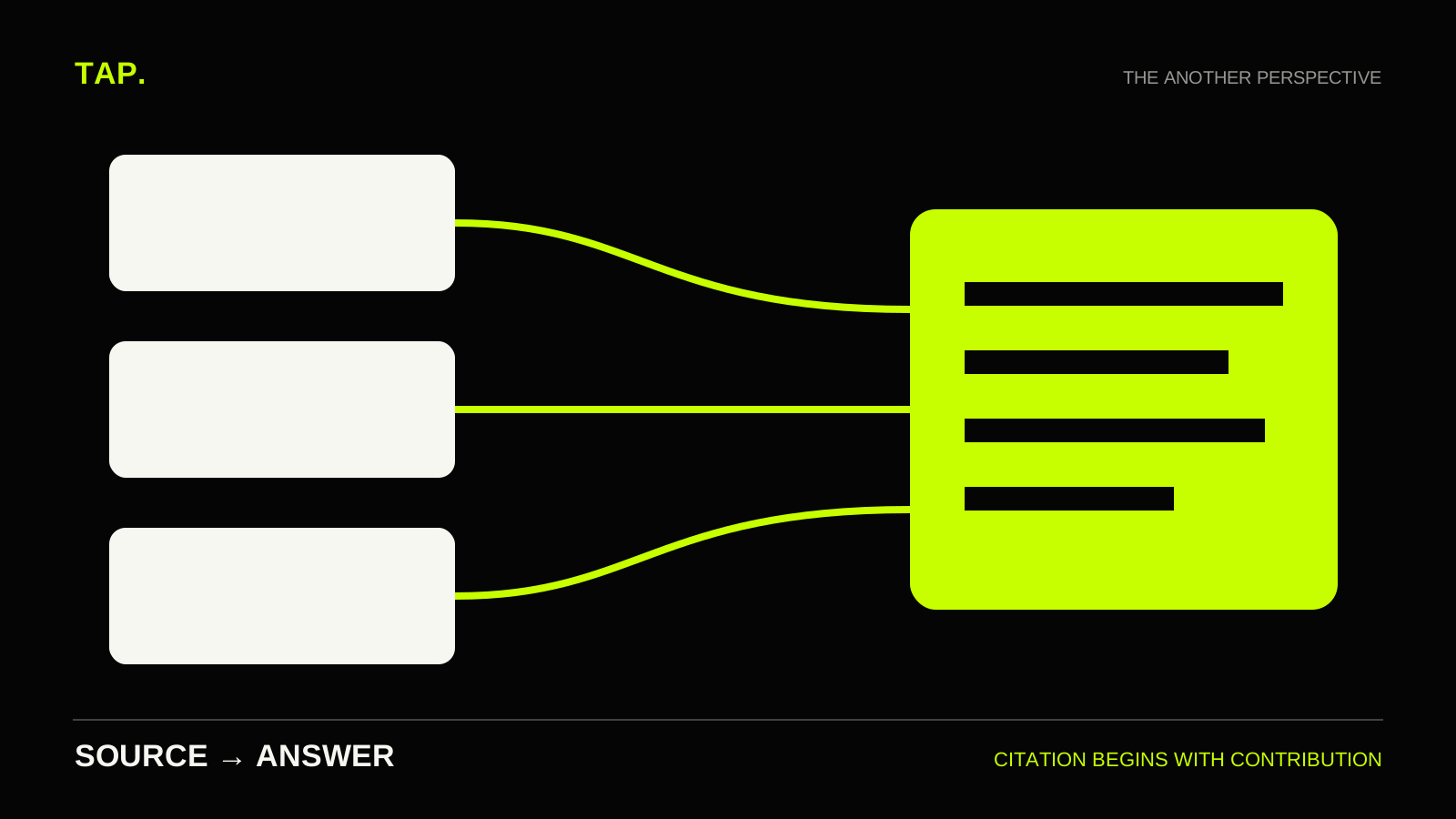
AI Overviews and AI Mode add another layer. A page can contribute evidence to an answer even when the user does not click it. Google says these experiences continue to show prominent links and can send users to a wider range of sources, but the economics are different because some questions are partly resolved before a visit happens.
That changes what publishers need to measure. Search Console now includes dedicated reporting for generative AI visibility, helping site owners understand where their pages appear in AI-powered Search experiences.
What this means for SEO
Google's official guidance is unusually clear: the fundamentals of SEO still apply. A page needs to be crawlable, indexable, useful and eligible to appear in Search. There is no separate technical doorway into AI Overviews or AI Mode.
There is also no special AI schema that guarantees inclusion.
The practical shift is editorial. Clear structure, original information, strong sourcing, high-quality images and content that contributes something non-commodity give a page more reasons to be useful across both classic and AI-powered Search.
The short version
AI Overviews are generated summaries that can appear inside the ordinary search results experience.
AI Mode is a deeper conversational search mode built for complex questions and follow-ups.
The boundary between them is becoming more fluid, but the distinction remains useful: one augments a search page; the other turns searching into a continuing process.