TAP guide / Technology explained
AI search, explained.
AI search retrieves information and uses a language model to assemble a response. Sometimes that response appears inside a familiar results page. Sometimes it becomes a conversation. The important questions are where the evidence came from, what the answer leaves out and whether you need to open the sources.
What is AI search?
Traditional web search generally offers a ranked set of results for you to inspect. AI search may retrieve several sources, select relevant passages and synthesize an answer before you visit a page. It can be useful for comparing ideas and following up on a question, but a concise answer can hide uncertainty or omit context.
Start with TAP’s step-by-step explanation of AI search if you want to see the whole process.
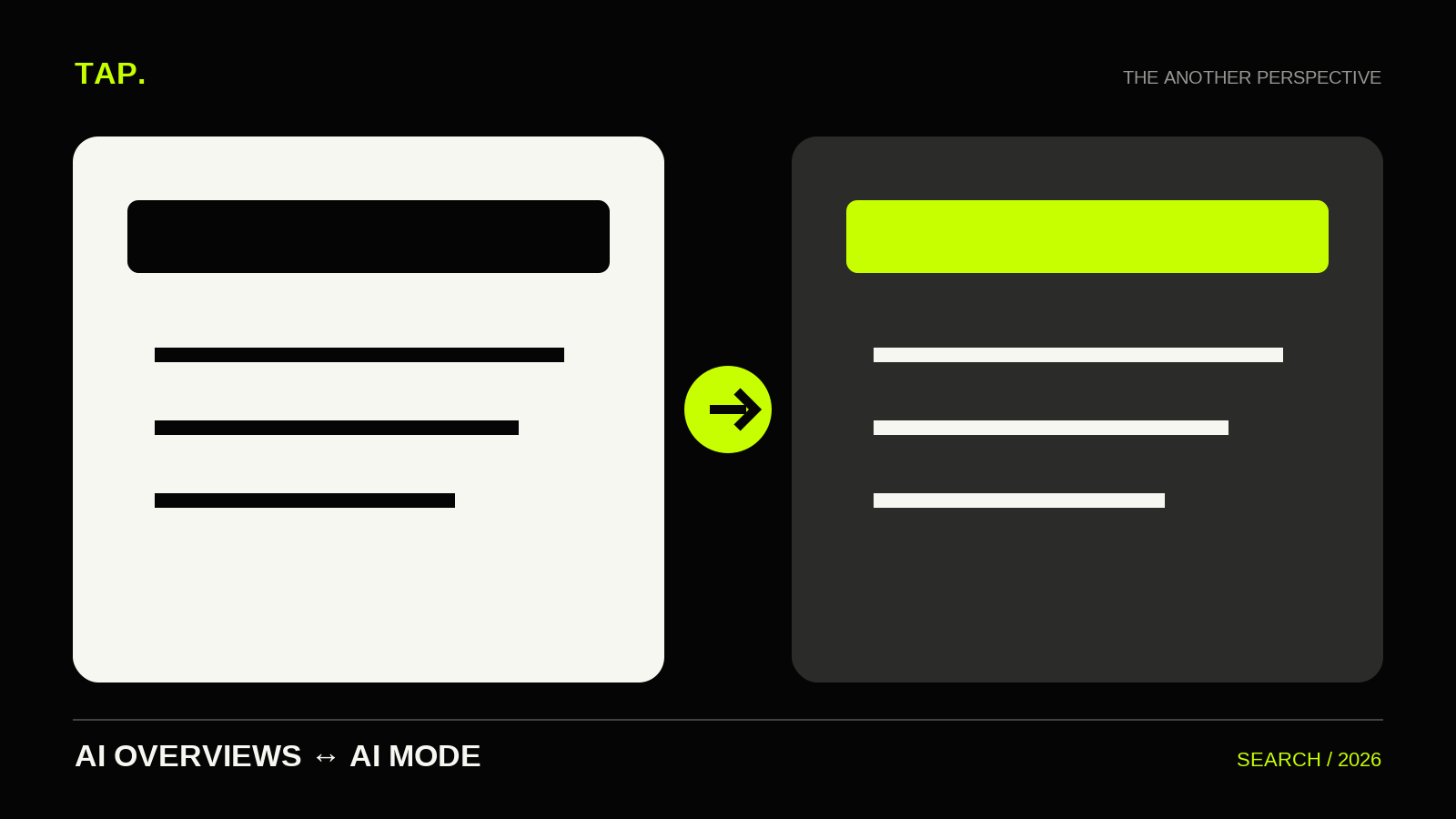
AI Overviews, AI Mode and ordinary results
| Experience | What you see | Useful for |
|---|---|---|
| Standard results | Links and other search features | Choosing sources yourself |
| AI Overview | An AI-generated summary on some results pages | Getting an initial synthesis |
| AI Mode | A more conversational search experience | Follow-ups and multi-part research |
For the practical distinction, read AI Overviews versus AI Mode.
Where do the sources come from?
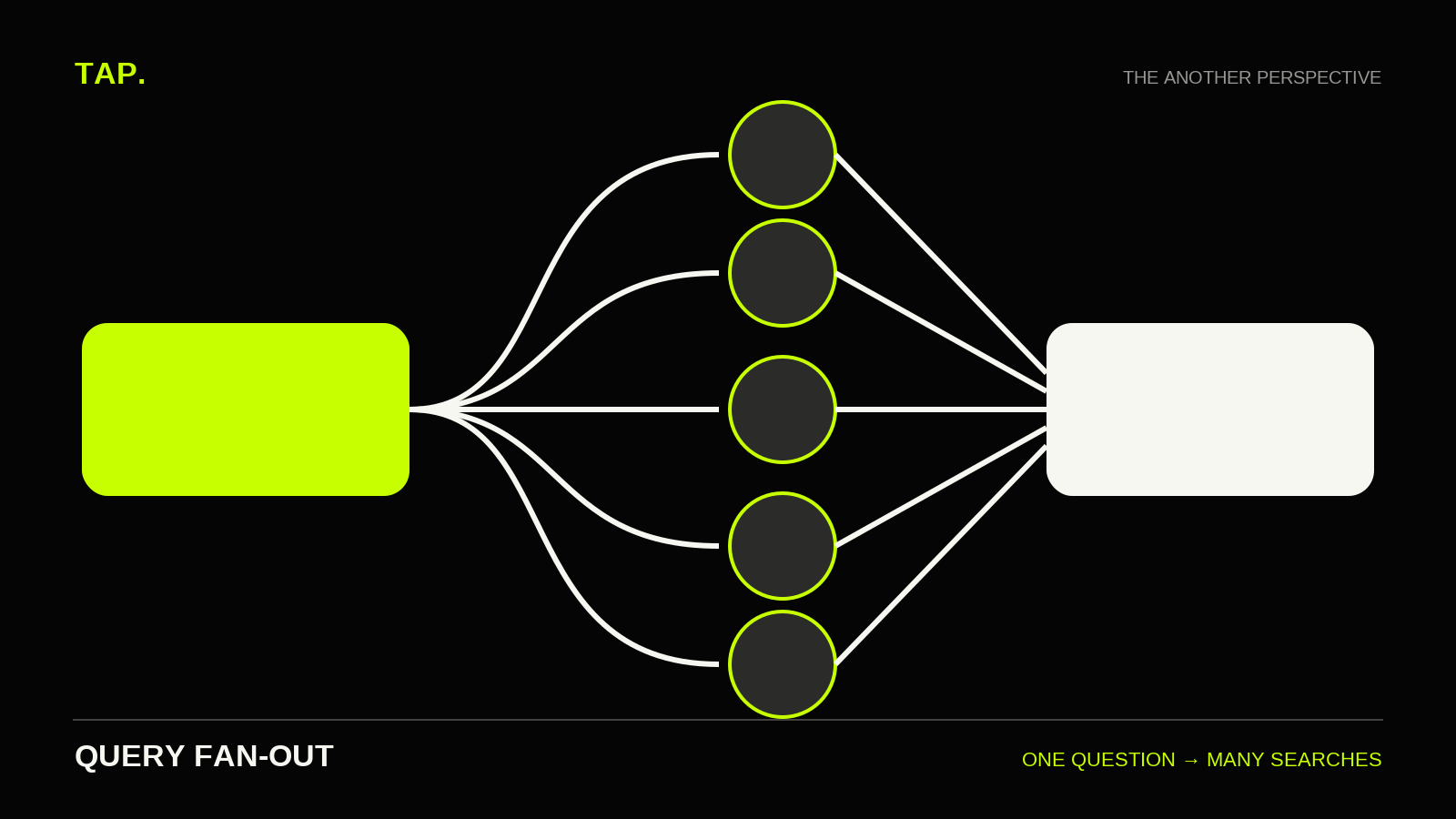
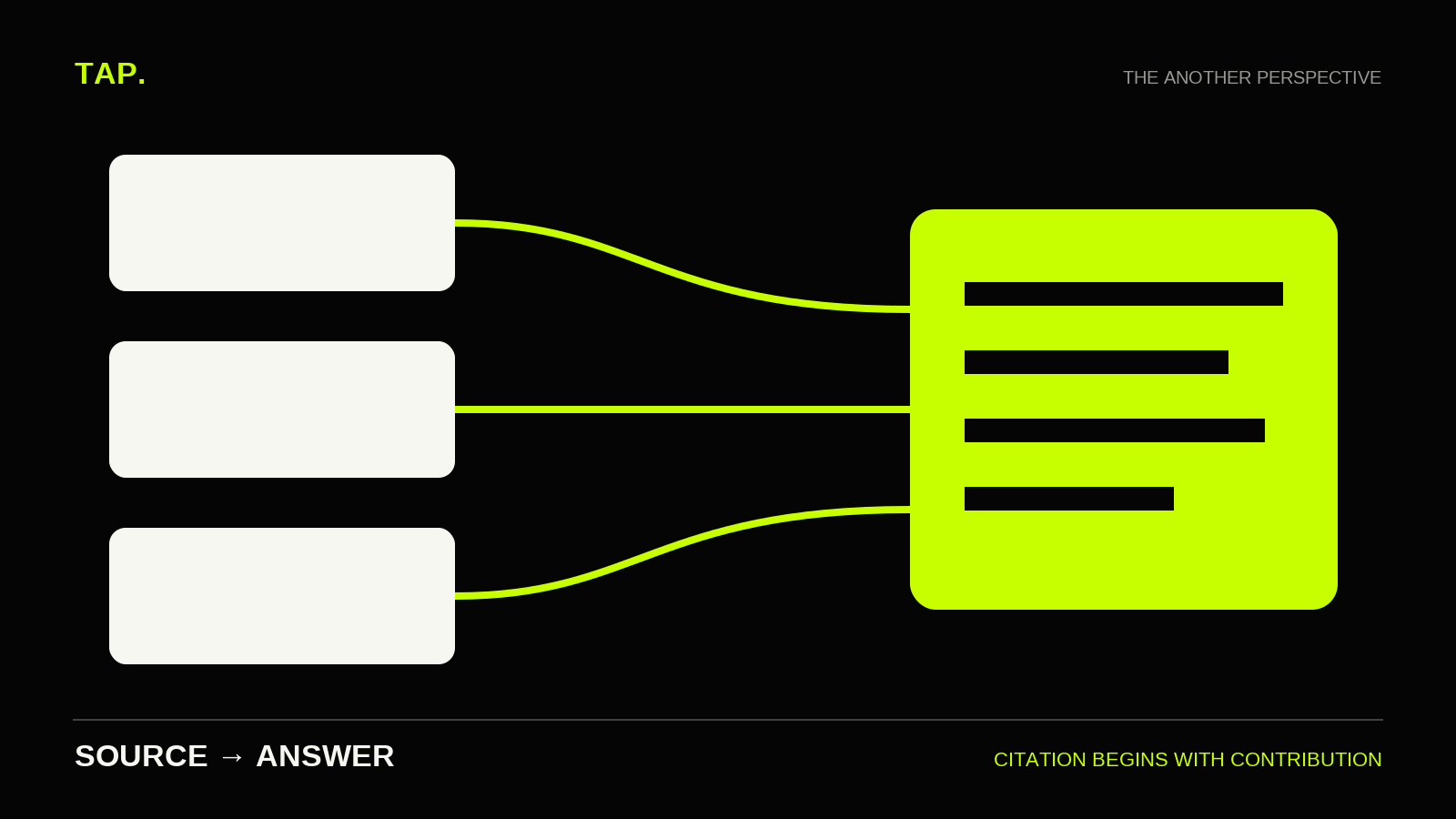
For a complex question, an AI search system can issue several related searches, gather different pieces of evidence and combine them. Google describes one approach as query fan-out. A citation tells you which page was linked, but it does not remove the need to check whether that page supports the precise claim in the answer.
What can publishers do?
Make useful pages available to search crawlers, state the answer clearly, support important claims with evidence and publish something a reader could not get from a dozen interchangeable summaries. Clear titles, descriptive images and links between related pages help people understand the material. None of these steps guarantees an AI citation or a particular ranking.
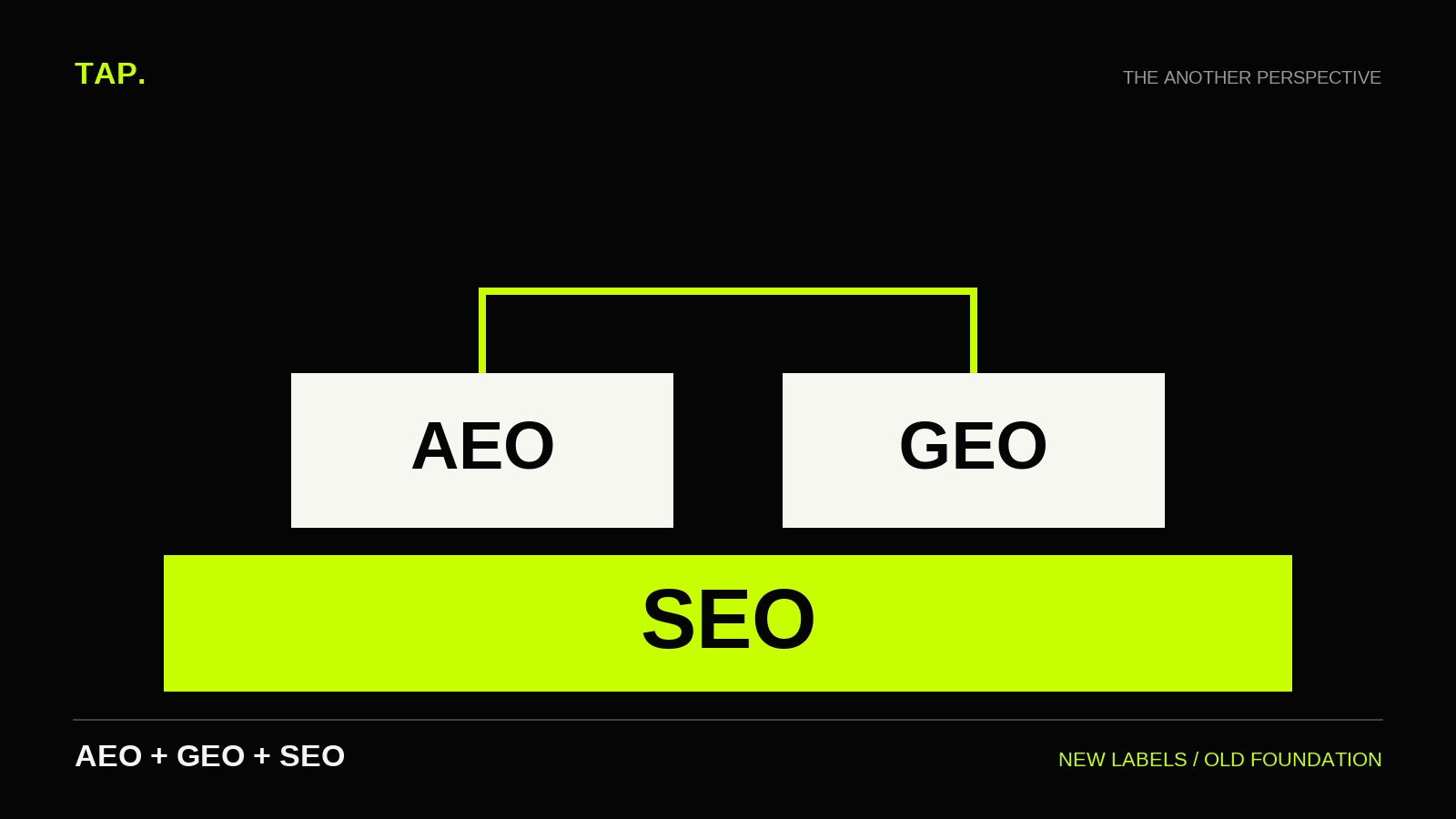
Our articles on AEO, GEO and SEO and being cited in AI search separate practical publishing from technical myths.
Can you tell if an AI answer cites your website?
Google and Microsoft now offer different ways to assess AI visibility. Google's Search Console report tracks appearances in AI Overviews and AI Mode, while Bing Webmaster Tools reports citation activity across supported Microsoft AI experiences. Neither provides a complete record of every response from every AI assistant.
Follow TAP’s practical guide to tracking AI citations to your website for the reports, their limits and a repeatable testing method.
A quick check before trusting an answer
- Open the cited source. Does it actually support the specific claim?
- Check the source date and whether the situation has changed.
- Look for a second independent source when the claim matters.
- Notice what the answer does not say, especially limits and uncertainty.