· 8 min read
How can a medicine change what supermarkets sell?
GLP-1 medicines reduce appetite and food intake for many users. At population scale, that can alter portion sizes, snacking frequency and the types of foods companies choose to develop, even though the medicines are not food products themselves.
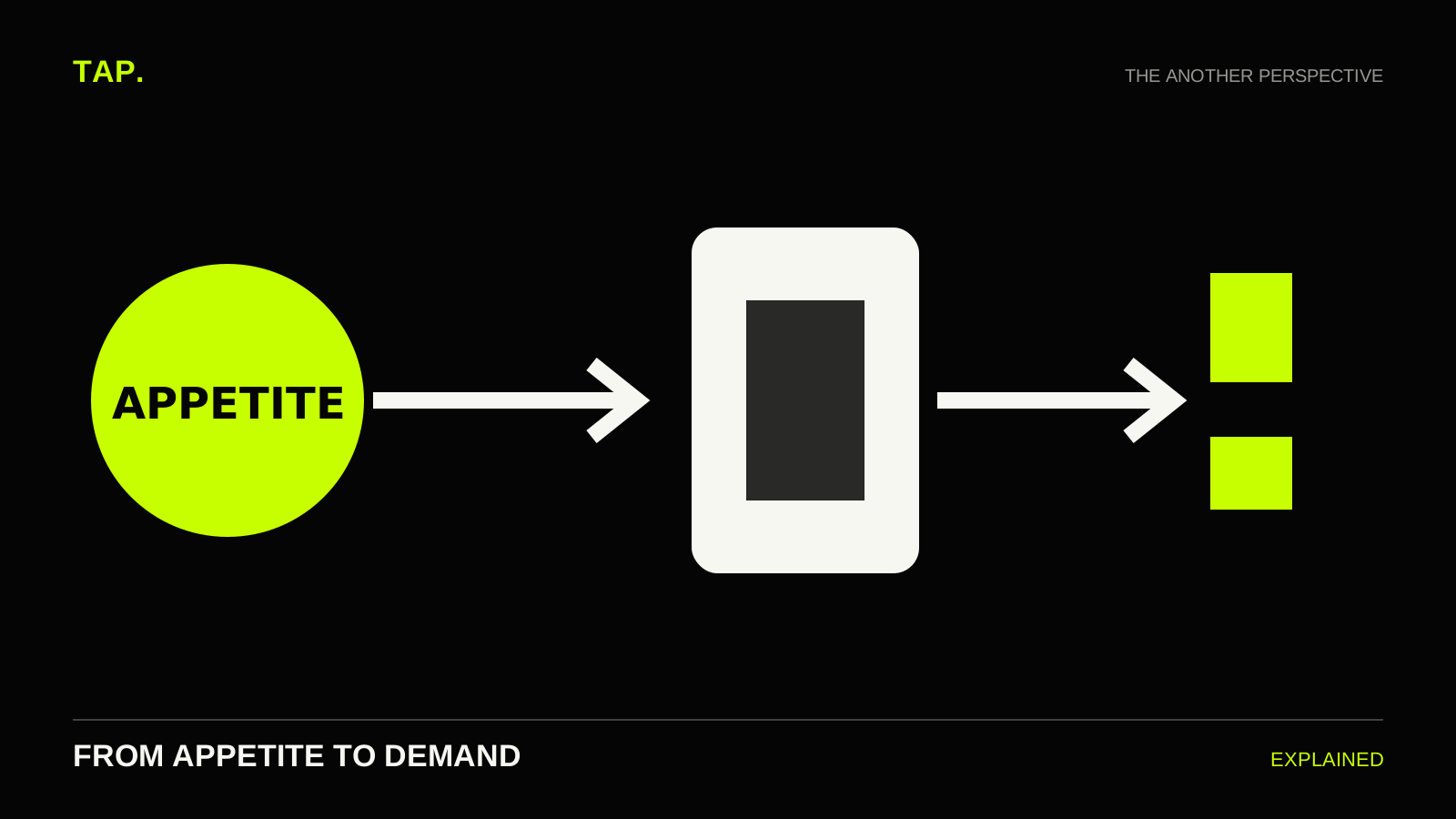
Fig. — Appetite can reshape demand without entering the supermarket.
Supermarkets respond to behavior. If people buy fewer of something, retailers reorder less of it. If millions of customers begin favoring smaller portions or different nutrients, manufacturers eventually notice.
That is why GLP-1 medicines are attracting attention from food companies.
What these medicines change
GLP-1 receptor agonists are a class of medicines used for diabetes and, for some products, chronic weight management. FDA says they act in pathways that reduce appetite and food intake.
The exact mechanisms vary by drug, and research is still evolving. NIH is actively studying how GLP-1 therapies affect appetite regulation, satiety, reward pathways, digestion and long-term nutritional status.
The business effect is indirect
A GLP-1 drug does not compete with a snack in the way one snack brand competes with another.
Instead, it can change the conditions under which a purchase happens.
Someone who feels full sooner may buy a smaller portion. Someone who snacks less often may reduce the number of weekly purchases. Someone focused on preserving muscle during weight loss may seek more protein-dense foods.
Small behavior changes scale
A single household eating one fewer bag of chips is irrelevant to a global food company.
Millions of households changing frequency, portion size or product preferences is not.
The packaged-food industry is built on enormous volumes, so a small percentage change in repeat purchasing can have a meaningful effect on factories, advertising budgets, shelf space and investor expectations.
Why protein and fiber keep appearing
Food companies have responded with products marketed around protein, fiber and portion control.
That strategy is not proof that every GLP-1 user wants the same diet. It is a commercial bet that consumers using or influenced by weight-management products will pay more attention to satiety and nutrient density.
What we still do not know
The long-term population effect remains uncertain.
Adoption varies by country, insurance coverage, price and medical eligibility. Some people discontinue treatment. Different medicines have different effects and side-effect profiles.
It is therefore too early to treat every decline in snack sales as a GLP-1 effect.
The useful way to watch the trend
Look for changes in portion sizes, product launches, marketing language, retailer shelf allocation and the mix between indulgent and nutrient-focused products.
Those signals tell us whether food companies are treating the trend as temporary noise or as a new consumer segment.
The supermarket will not change overnight. But the demand assumptions underneath it already are.