· 8 min read
Weight-loss drugs are becoming a snack-company problem.
PepsiCo is already fighting inflation, weak snack volumes and investor pressure. GLP-1 drugs add a more structural question: what happens to a food business built around frequent snacking when some customers feel less hungry?
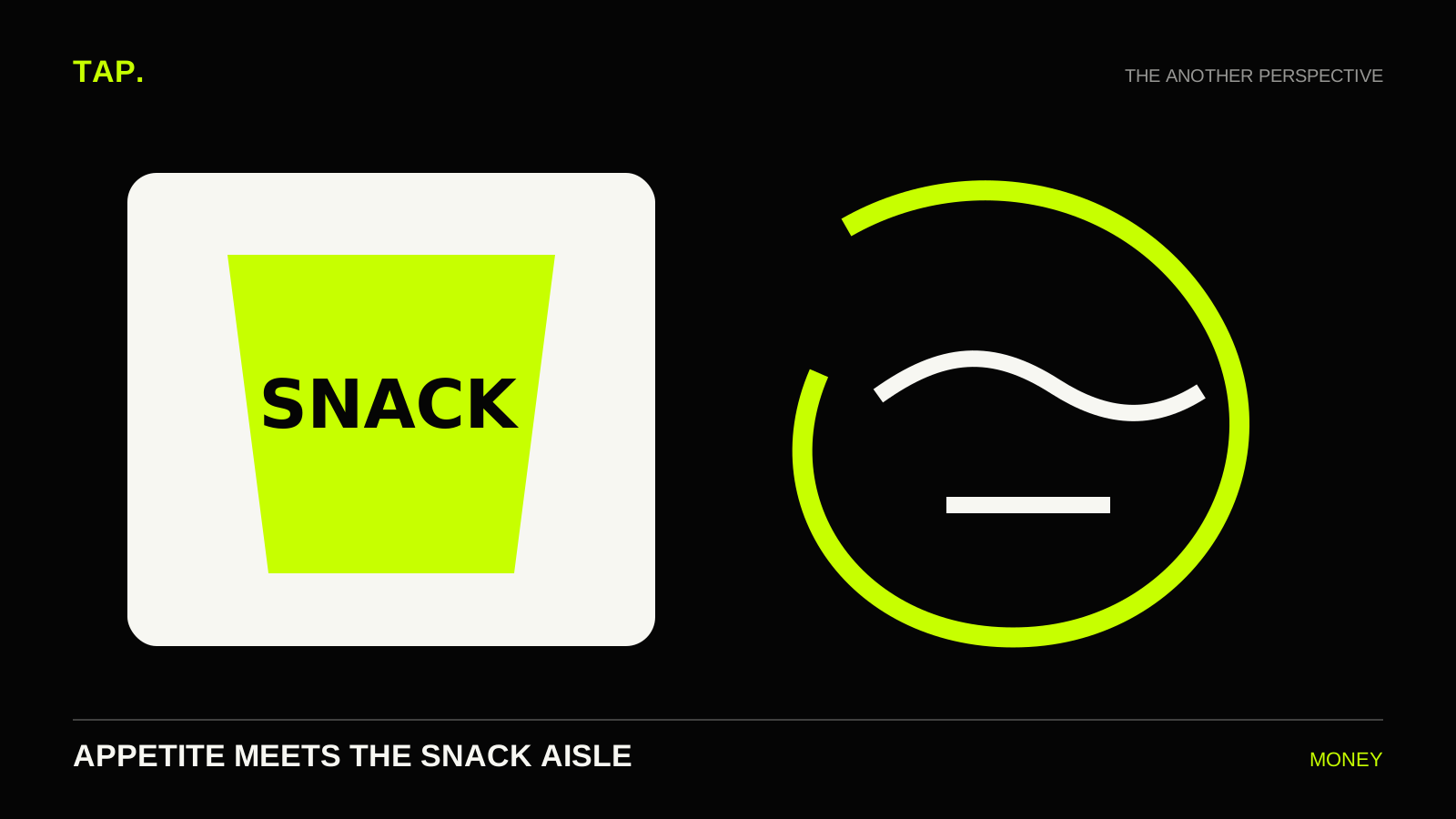
Fig. — A medical trend reaches the snack aisle.
PepsiCo sells drinks, but a large part of its identity is built around snacks people eat between meals: Lay's, Doritos, Cheetos and other brands designed for habitual, repeat consumption.
That makes the rapid growth of GLP-1 weight-management drugs more than a healthcare story.
It is a demand story.
Why PepsiCo is under pressure now
Reuters reported that PepsiCo entered this earnings season with North American snack volumes under pressure, a weaker operating margin and a share price down sharply from a year earlier.
The company had already cut prices on some Lay's and Doritos products and launched reformulated or higher-protein products, but investors still want evidence that volumes and margins have stabilized.
16.3%
PepsiCo's core operating margin in the first half of 2026, according to Reuters
Where GLP-1 drugs enter the picture
GLP-1 receptor agonists act in pathways involved in appetite and food intake. FDA materials describe the class as mimicking a natural hormone that helps regulate blood sugar and acts in areas of the brain involved in appetite.
NIH-funded research has also examined how newer GLP-1 drugs may reduce reward-driven eating in animal studies.
For food companies, the important business question is not whether every user stops buying snacks. It is whether a large enough group eats less often, chooses smaller portions or values different nutritional attributes.
Food companies can respond in more than one way
One response is reformulation: more protein, more fiber, smaller portions or products marketed around satiety rather than indulgence.
Another is portfolio mix. A company that owns beverages, sports nutrition, convenient meals and snacks can shift investment toward categories that continue to grow.
A third response is pricing. If unit volumes weaken, companies may try to protect revenue through price increases, but that can create a new problem if consumers are already price-sensitive.
The threat is structural because habits are structural
Packaged-food businesses depend on routines: an afternoon snack, a soda with lunch, a bag of chips during a game.
A medical technology that changes appetite can interfere with those routines without directly competing with a single product on the shelf.
That is what makes the story unusual. A drug company does not have to launch a snack brand to disrupt the snack category.
The TAP perspective is that industries are often disrupted from outside their category. The most important competitor to a bag of chips may not be another bag of chips.