· 8 min read
Countries keep emergency oil underground for moments exactly like this.
The IEA is discussing another coordinated release of oil and diesel stocks as energy markets face supply disruptions. Strategic reserves exist to buy time during severe shortages, not to make fuel permanently cheap.
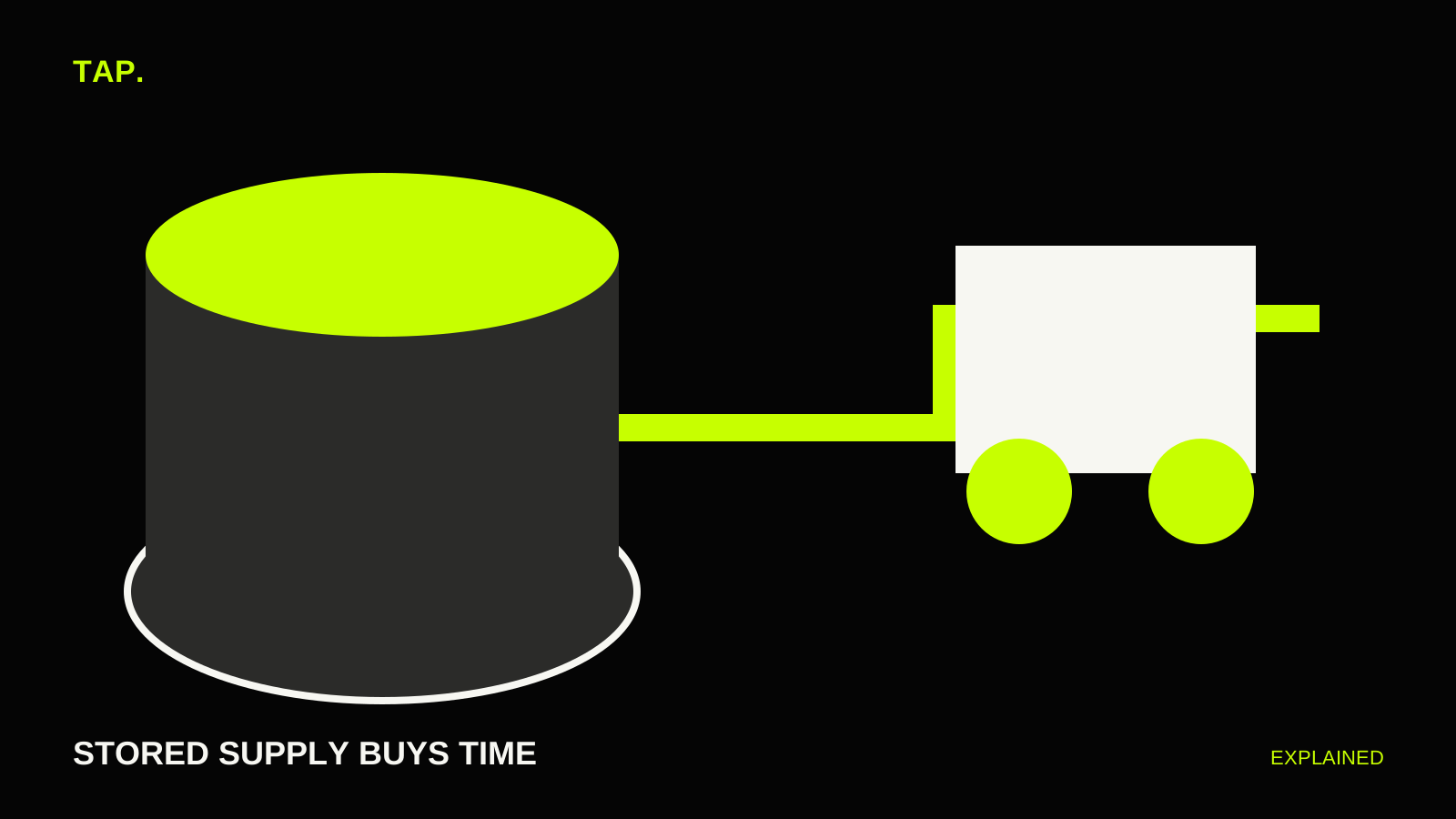
Fig. — Stored supply buys time.
Most countries cannot manufacture extra crude oil overnight when shipping routes close, refineries fail or war removes supply from the market.
So many governments keep part of their energy security in storage.
The International Energy Agency is again discussing a coordinated release of oil and diesel stocks as supply disruptions push fuel prices higher.
What is a strategic petroleum reserve?
It is a government-controlled or government-mandated stockpile of crude oil or refined petroleum products held for emergencies.
Some countries store crude in large underground salt caverns. Others rely more heavily on tanks, commercial inventories or obligations imposed on industry.
Why the IEA coordinates releases
A disruption that affects global oil flows cannot always be solved effectively by one country acting alone.
The IEA was created after the 1970s oil crisis partly to coordinate energy security among member countries. Its members are required to maintain emergency stocks equivalent to at least 90 days of net oil imports, subject to the agency’s rules.
What does a release actually do?
An emergency release adds physical barrels to the market or frees commercial inventories that would otherwise need to remain in storage.
That can help refineries keep operating, reduce panic buying and bridge the time needed for production or trade routes to adjust.
It can also influence expectations. Traders who know governments can release large volumes may be less willing to price an extreme shortage as if no buffer exists.
Why diesel matters separately from crude
Crude oil is only useful after a refinery converts it into products such as gasoline, diesel and jet fuel.
If the bottleneck is refinery capacity or a shortage of a specific fuel, releasing crude alone may not solve the immediate problem.
That is why current discussions include diesel stocks. Diesel is essential for trucking, agriculture, construction, industry and some backup power generation.
Why reserves cannot permanently suppress prices
A strategic reserve is finite.
If a structural shortage lasts for years, continuously selling emergency stocks eventually empties the buffer and can weaken future security.
Governments therefore face a trade-off: release enough to stabilize a severe disruption while preserving enough capacity for whatever comes next.
The insurance analogy
A reserve works best when it changes the consequences of an emergency, not when it is treated as ordinary supply.
Its value is partly the oil sitting unused.
That can look wasteful during normal times, in the same way insurance premiums look unnecessary until the event they were designed for happens.