· 8 min read
Inflation can fall. The cost-of-living crisis can keep going.
When inflation slows, prices usually do not return to where they started. New IMF research says repeated food and energy shocks can also change what households expect about future inflation and push more people into poverty.
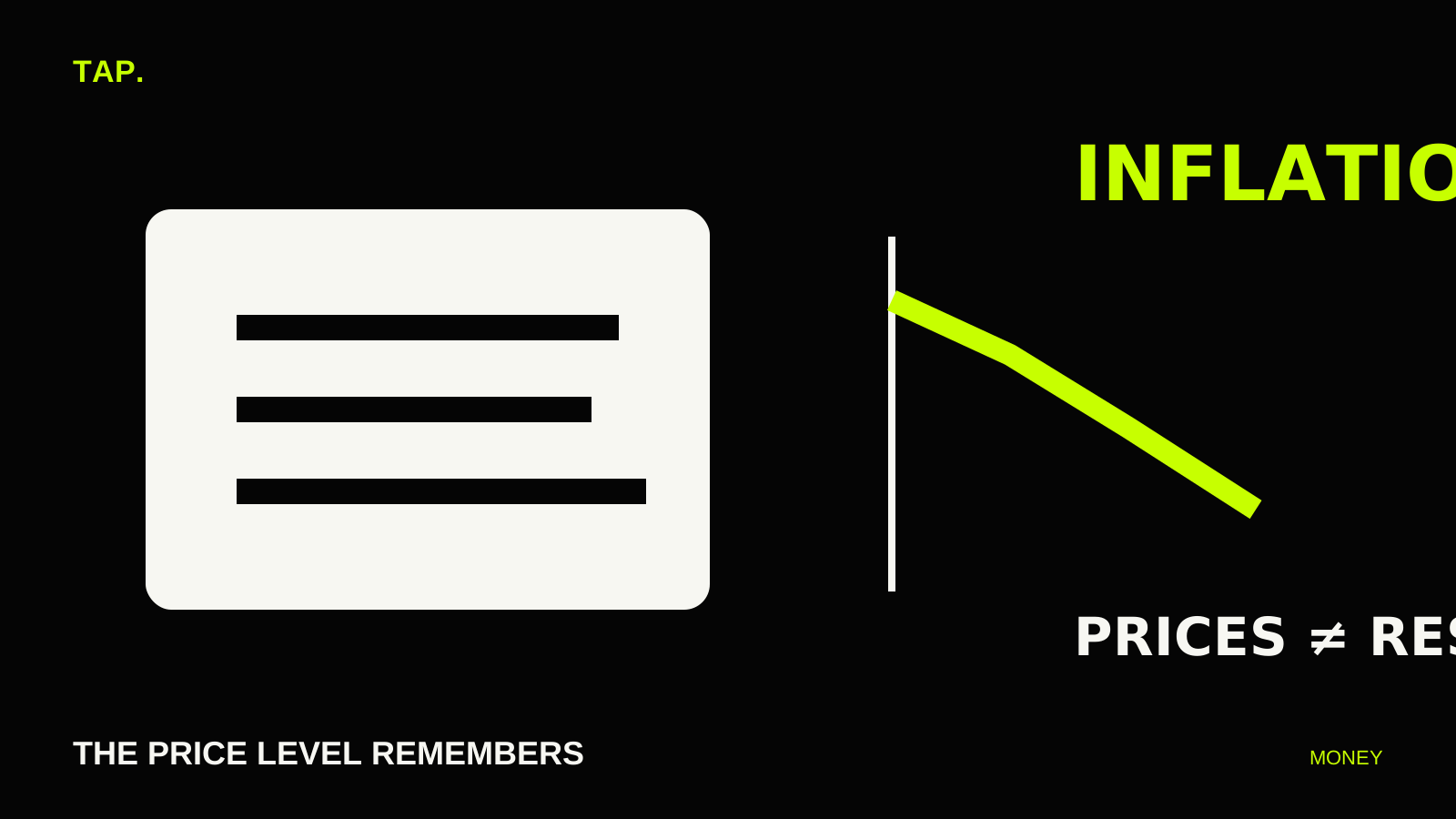
Fig. — The rate can fall while the price level stays high.
One of the most frustrating sentences in economics is also one of the most important: inflation is not the same thing as prices.
If inflation falls from 8% to 3%, prices are still rising. They are simply rising more slowly.
That is why official progress on inflation can coexist with households saying life still feels dramatically more expensive.
The price level remembers
Imagine a basket that costs 100. After a year of 10% inflation it costs 110. If inflation then falls to 2%, the basket does not return to 100. It rises to roughly 112.20.
To reverse the original increase, prices would need to fall outright, which is deflation.
Food and energy hurt differently
Households do not experience inflation through an abstract index. They experience it through recurring bills.
Food, transport, electricity and cooking fuel are difficult to postpone. Lower-income households typically spend a larger share of their income on these essentials, so a shock consumes more of their budget.
New IMF work highlighted by Reuters says repeated cost-of-living crises leave lasting scars on poverty and inflation expectations. The study estimates roughly 23 million more people fell into extreme poverty between 2021 and 2024 than previously expected.
Expectations can make the shock last longer
Inflation expectations sound technical, but the idea is simple: people make decisions partly based on what they think prices will do next.
Workers bargain over wages, companies set prices, landlords negotiate rents and consumers decide whether to buy now or wait.
If repeated shocks convince households that food and energy prices will keep jumping, those expectations can become harder for central banks to anchor.
Why broad subsidies are tempting
Governments under pressure often subsidize fuel, freeze prices or reduce taxes across the board because those measures are visible and fast.
The IMF argues that broad subsidies can be expensive and poorly targeted because wealthy households receive the benefit too.
Targeted cash transfers can be more efficient when the objective is to protect vulnerable households while preserving the market signal that a scarce product has become more expensive.
Why households and economists talk past each other
An economist may celebrate lower inflation because the rate of deterioration has slowed.
A household may still feel worse because wages have not caught up with the higher price level, savings were depleted during the shock or debt became more expensive.
Both observations can be true.
The mistake is treating a falling inflation rate as if the cost-of-living shock has been undone. It has not. The economy has moved to a new price level, and incomes then have to catch up.